
Rideshare Surge vs. Flat-Rate Shuttle: What Peak Pricing Actually Costs You at PNS
When does Uber surge pricing kick in at PNS, and by how much? A data-driven look at ground transport costs during peak arrival windows.
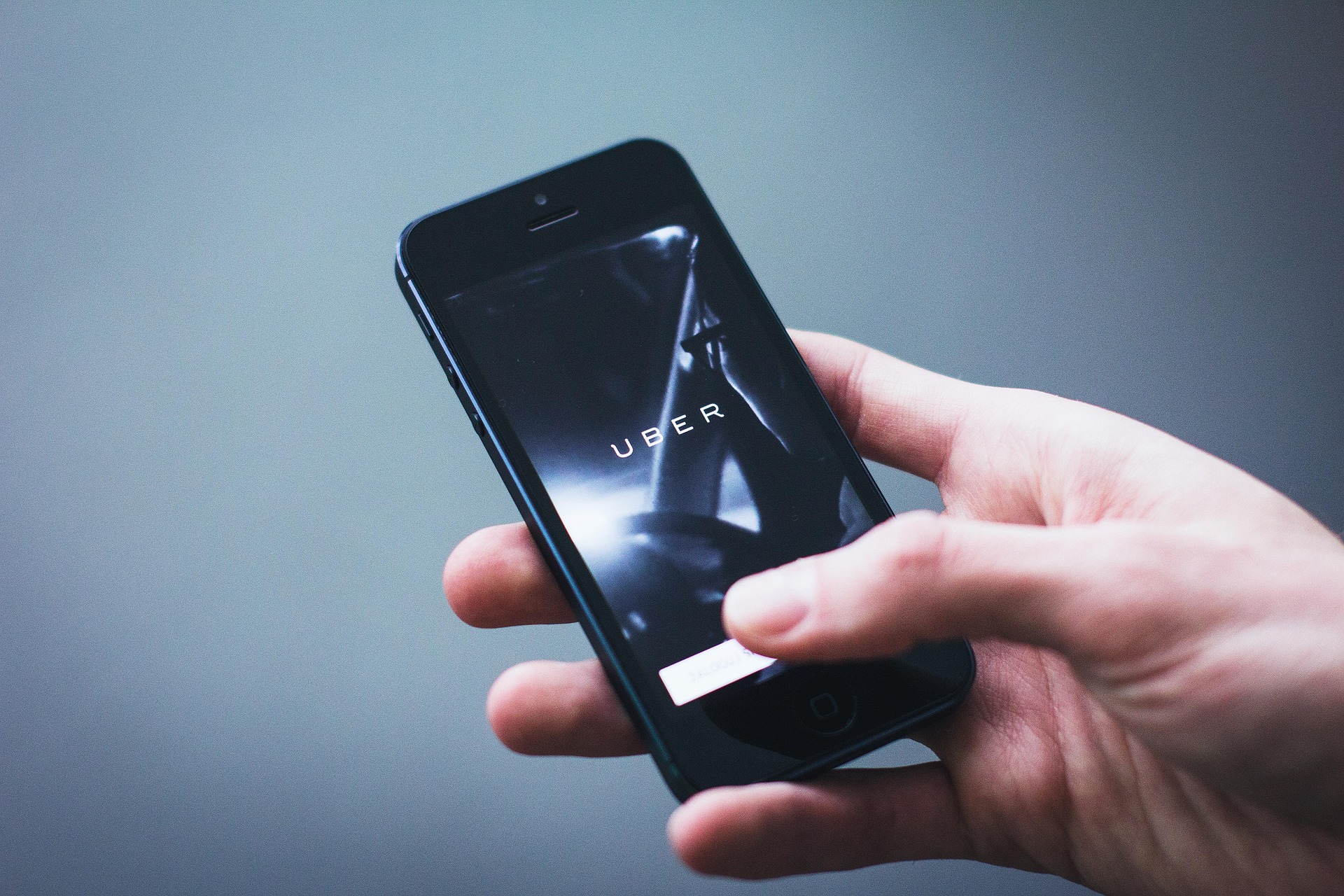
The short answer
Neither Uber nor Lyft publishes airport-specific surge data for Pensacola International — or for any individual market. There's no public dashboard showing "PNS surges 2.3x on Friday evenings." What we can document is how the surge algorithm works everywhere, which time windows are most consistently flagged as high-risk across the industry, and what that means in real dollars compared to a published flat rate. This page lays out the mechanics and the math — not invented PNS-specific multipliers.
How surge pricing actually works
Uber and Lyft divide cities into small geographic zones and continuously compare ride requests to available drivers in each one. When requests outpace nearby drivers by a set threshold, the price increases automatically — Uber displays this as a multiplier (1.5x, 2x, 3x), Lyft calls the equivalent "Prime Time." The increase applies to the variable portion of the fare (base, per-mile, per-minute), not to flat fees like tolls or airport surcharges.
Because the zones are small and recalculated every 30–60 seconds in volatile conditions, surge is hyper-local and short-lived — a price can drop 50% within 10–15 minutes as nearby drivers reposition toward the high-demand area.
When surge is most likely — industry-wide patterns
These are well-documented, recurring windows across U.S. rideshare markets generally, not Pensacola-specific figures:
- Weekday rush hours — roughly 7–9 AM and 4–7 PM, as commuter demand outpaces driver supply
- Friday and Saturday nights, 10 PM–2 AM — the most predictable surge window in most cities, driven by nightlife and bar close
- Airport arrival waves — surge follows flight landing clusters rather than the clock; when several flights land close together, demand spikes in the pickup zone for 15–30 minutes at a time
- Holidays and severe weather — among the least predictable but highest-multiplier events; New Year's Eve fares have been documented climbing 4–8x normal rates in some markets
- Early-morning hours — somewhat counterintuitively, fewer drivers are logged in overnight, so even moderate demand (an early flight's worth of travelers) can trigger surge with limited supply to absorb it
For PNS specifically, the relevant version of "airport arrival wave" is a full plane landing during a Gulf Coast peak season weekend — exactly when our rideshare availability research for Orange Beach and Gulf Shores found driver supply is thinnest.
What a surge multiplier actually costs you
Surge is easier to evaluate in dollars than as an abstract multiplier. Industry pricing breakdowns commonly cite ranges like:
| Surge multiplier | Label | What it adds to a $30 baseline airport fare |
|---|---|---|
| 1.0x | Normal | $0 — you pay $30 |
| 1.2x–1.4x | Mild surge | +$6 to $12 |
| 1.5x–2.0x | Moderate surge | +$15 to $30 |
| 2.5x–4.0x | Heavy surge | +$45 to $90 |
These are general industry reference ranges, not PNS-specific figures — but they illustrate the core problem: on a longer airport trip with a higher baseline fare, even a "moderate" 2x surge can add as much to your fare as the entire base ride cost. And because the multiplier isn't shown to you until you open the app at the moment you need a ride, you have no way to plan around it in advance.
The flat-rate comparison
This is the entire premise of a flat-rate shuttle: the price doesn't change based on what time your flight lands, how many other flights landed in the same 20-minute window, or whether it's a holiday weekend. A rate quoted when you book in advance is the rate you pay — whether you land at 6 AM on a Tuesday or 11 PM on the Friday of Spring Break.
That predictability has a real value beyond cost certainty, too. A scheduled shuttle doesn't depend on a driver being logged into an app at 4 AM, and it doesn't get more expensive the more crowded the arrivals area gets.
Bottom line
Rideshare can absolutely be the cheaper option on a quiet Tuesday afternoon with no surge active. The risk isn't the average price — it's the variance. A flat-rate shuttle removes that variance entirely: one number, quoted in advance, that holds regardless of when you land or how busy the airport is that day.
See current flat rates and book your shuttle →Sources: Uber's official surge pricing documentation; industry surge-mechanics breakdowns from RideWise, Ridester, and Metrobi; Able Airport Shuttle's own rideshare availability research for the Orange Beach/Gulf Shores corridor. Uber and Lyft do not publish historical or market-specific surge data, so all multiplier ranges above are general industry reference points rather than PNS-specific figures.